Carpal tunnel syndrome is an occupational hazard for anyone whose job involves making repetitive movements with the hands and/or fingers. In this age of computers, that means virtually anyone who works in an office, as well as assembly line workers, bookkeepers, cashiers, jackhammer operators, musicians, and many others.
Spending a great deal of time engaging in a hobby such as knitting and needlework can also cause problems. No matter what your occupation, the following measures are recommended to help you reduce the risk of developing this painful and disabling condition:
Use your whole hand and all of your fingers when you grip an object.
Whenever possible, use a tool instead of flexing your wrists forcibly.
Make sure your posture is correct. For keyboard tasks, sit straight in your chair with your body tilted slightly back. Raise or lower your chair so that your knees are bent at a right angle and your feet are flat on the floor. Your wrists and hands should be straight and your forearms parallel to the floor. Keep your wrists and hands consistently in a straight line.
Keep your elbows bent. This lessens the load close to your body and reduce the amount of force required to do your job. Give yourself elbow room to allow you to use as much of your arm as you can while keeping your wrists straight. Use your whole arm while performing tasks in order to minimize the stress on your elbow.
Adjust your computer screen so that it is about two feet away from you and just below your line of sight.
Use arm rests that attach to the chair to keep your wrists from flexing too much.
If the relative positions of your desk, chair, and keyboard do not allow you to keep your wrists straight while keyboarding, the use of "wrist rest" pad in front of the keyboard is highly recommended to alleviate pressure on the carpal tunnel.
Slow your rhythm while varying wrist and hand movements.
Take a break from handwork for a few minutes every hour.
Shake out your hands periodically throughout the day.
Perform simple stretching exercises before your daily tasks to improve overall circulation and aid in warming up the muscles.
The American Physical Therapy Association recommends these exercises:
Resting one forearm on a table, grasp the fingertips of that hand and pull back gently. Hold this position for five seconds, then repeat the exercise with the other hand.
Press the palms flat on a table, as if doing a push-up. Lean forward to stretch the forearm muscles and the wrists.
Another recommended gentle exercise is done by rotating the wrist. Move your hands around in a circle for about two minutes, thoroughly stretching the muscles of the hand. This helps to restore circulation and improve the posture of the wrist.
Do strengthening exercises. Place a rubber band around the fingers to provide resistance, and then open and close the fingers. Three times a day, do a set of ten repetitions with each hand.
The cause of Pre-Menstrual Syndrome (PMS), which most experts agree on, is related to some type of disturbance that disrupts the delicate hormonal balance that exists mainly between estrogen and progesterone.
FEMASOOTHis designed to help rejuvenate the hormone balance, while providing relief from PMS-related symptoms.
Balances two key hormones: estrogen and progesterone
Relieves PMS symptoms, such as anxiety, depression, fatigue, cramps, bloating, headache, breast tenderness, swelling, etc.
Promotes ovulation
Reduces mood swings and fluid retention
Normalizes the menstrual cycle and reduces menstrual pain
INGREDIENTS:
Chasteberry FruitB.E.E.– helps bring estrogen and progesterone back into balance and promotes ovulation.
Calcium– helps reduce PMS-related moodiness, fluid retention, prevents cramps and muscle pain. By soothing emotional irritability, it also prevents the fatigue many women suffer.
Magnesium – research finds that women with PMS symptoms are typically deficient in magnesium, which helps relieve cramps and control pre-menstrual sugar cravings. Magnesium also helps stabilize moods, by affecting brain chemistry. It also helps combat fatigue.
Vitamin B6 (Pyridoxine) - is required for balancing hormonal changes in women as well as assisting the immune system and the growth of new cells. It is also used in the processing and metabolism of proteins, fats and carbohydrates, while helping women control their mood and behavior.
Pyridoxine might also be of benefit for children with learning difficulties, as well as assisting in the prevention of dandruff, eczema and psoriasis. It assists in the balancing of sodium and potassium, as well as promotes red blood cell production. It is further involved in the nucleic acids RNA and DNA.
It is likewise linked to cancer immunity and fights the formation of the toxic chemical homocysteine, which is detrimental to the heart muscle.
Peppermint Leaves B.E.E.– helps normalize the menstrual cycle and relieves menstrual pain. It is also helpful for maintaining a healthy, balanced mood.
Pink Bark B.E.E. – contains Pycnogenol that helps reduce bloating, fluid retention, and breast tenderness.
SUGGESTED USE:
Take 1 to 2 capsules twice daily; 7 to 10 days before the onset of menstruation.
Acne vulgaris, or acne, is a skin problem that starts when oil and dead skin cells clog up your pores.
Some people call it blackheads, blemishes, whiteheads, pimples, or zits. When you have just a few red spots, or pimples, you have a mild form of acne.
Severe acne can mean hundreds of pimples that can cover the face, neck, chest, and back.
Or, it can be bigger, solid, red lumps that are painful (cysts).
Most young people get at least mild acne. It usually gets better after the teen years. But many adult women do have acne in the days before their menstrual periods.
How you feel about your acne may not be related to how bad it is. Some people with severe acne are not bothered by it. Others are embarrassed or upset even though they have only a few pimples.
Acne (acne vulgaris, common acne) is not just a problem for teenagers; it can affect people from ages 10 through 40. It is not unusual for women, in particular, to develop acne in their mid- to late-20s, even if they have not had breakouts in years (or ever). On the positive side, those few individuals who have acne into their 40s may well grow out of it.
What are the different types of acne?
Acne can appear on the skin as any of the following:
congested pores ("comedones"),
whiteheads,
blackheads,
pimples ("zits"),
pustules, or
cysts (deep pimples, boils). The pus in pustules and cysts is sterile and does not actually contain infectious bacteria.
These blemishes occur wherever there are many oil (sebaceous) glands, mainly on the face, chest, and back.
What causes acne?
No one factor causes acne. Acne starts when oil and dead skin cells clog the skin's pores. If germs get into the pores, the result can be swelling, redness, and pus. Acne comes to life around puberty, stimulated by male hormones from the adrenal glands of both boys and girls.
Sebum (oil) is a natural substance which lubricates and protects the skin, and under certain circumstances, cells that are close to the surface block the openings of sebaceous glands and cause a buildup of oil underneath. This oil stimulates bacteria (which live on everyone's skin and generally cause no problems) to multiply and cause surrounding tissues to become inflamed.
Inflammation near the skin's surface produces a pustule; deeper inflammation results in a papule (pimple); deeper still and it's a cyst. If the oil breaks through to the surface, the result is a "whitehead."
If the oil accumulates melanin pigment or becomes oxidized, the oil changes from white to black, and the result is a "blackhead." Blackheads are therefore not dirt, and do not reflect poor hygiene.
Here are some factors that don't usually cause acne, at least by themselves:
Heredity: With the exception of very severe acne, most people do not have the problem exactly as their parents did. Almost everyone has some acne at some point in their life.
Food: Parents often tell teens to avoid pizza, chocolate, greasy and fried foods, and junk food. While these foods may not be good for overall health, they don't cause acne or make it worse. Although some recent studies have implicated milk and dairy products in aggravating acne, these findings are far from established.
Dirt: As mentioned above, "blackheads" are oxidized oil, not dirt. Sweat does not cause acne, therefore, it is not necessary to shower instantly after exercise for fear that sweat will clog pores. On the other hand, excessive washing can dry and irritate the skin.
Stress: Some people get so upset by their pimples that they pick at them and make them last longer. Stress, however, does not play much of a direct role in causing acne.
Hormones: Some women break out cyclically, but most women (and men) don't. Some oral contraceptive pills may help relieve acne, but unless a woman has abnormal menstrual periods and excessive hair growth, it's unlikely that hormones play much of a role in causing acne. Pregnancy has a variable effect on acne; some women report that they clear up completely, and others get worse, while many others see no overall change.
Cosmetics: Most cosmetic and skin-care products are not pore-clogging ("comedogenic"). Of the many available brands, those which are listed as "water-based" or "oil-free" are generally a better choice.
In occasional patients, the following may be contributing factors:
Pressure: In some patients, pressure from helmets, chinstraps, collars, suspenders, and the like can aggravate acne.
Drugs: Some medications may cause or worsen acne, such as those containing iodides, bromides, or oral or injected steroids (either the medically prescribed prednisone or the steroids that bodybuilders or athletes take). Other drugs that can cause or aggravate acne are anticonvulsant medications and lithium, which is used to treat bipolar disorder. Most cases of acne, however, are not drug-related.
Occupations: In some jobs, exposure to industrial products like cutting oils may produce acne.
What other skin conditions can mimic acne?
Rosacea: This condition is characterized by pimples in the middle third of the face, along with redness, flushing, and superficial blood vessels. It generally affects people in their 30s and 40s and older. There is sometimes no "bright line" separating acne from rosacea; however, there are no blackheads or whiteheads in rosacea.
Pseudofolliculitis: This is sometimes called "razor bumps" or "razor rash." When cut close to the skin, curly neck hairs bend under the skin and produce pimples. This is a mechanical problem, not a bacterial one, and treatment involves shaving less (growing a beard, laser hair removal). Pseudofolliculitis can, of course, occur in patients who have acne too.
Folliculitis: Pimples can occur on other parts of the body, such as the abdomen, buttocks, or legs. These represent not acne but inflamed follicles. If these don't go away on their own, doctors can prescribe oral or external antibiotics, generally not the same ones used for acne.
Gram-negative folliculitis: Some patients who have been treated with oral antibiotics for long periods develop pustules filled with bacteria resistant to the antibiotics which have previously been used. Bacterial culture tests can identify these germs, leading the doctor to prescribe different antibiotics or other forms of treatment.
When should you start to treat acne?
Since everyone gets acne at some time, the right time to treat it is when it bothers you. This can be when severe acne flares suddenly, mild acne that just won't go away, or even when a single pimple decides to show up the week before your prom or wedding. The decision is yours.
RELAXALLis designed to relieve nervous tension, calm anxiety, and promote soundsleep without causing next-day grogginess, by mildly regulating the irritability of the nervous system and lessening various body pains. SUGGESTED USE:
1 to 2 vegicap/s 2-3 times daily between meals. Never take more than 2 vegicaps during the daytime. For better sleep, take 2-3 vegicaps 30-60 minutes before bedtime.
INGREDIENTS:
Chamomile Flower B.E.E. -- contains volatile oils, including alpha-bisabolol, alpha-basibolol oxides A & B and matricin (usually converted to chamazulene). Other active constituents include the flavonoids apigenin, luteolin and quercetin. These active ingredients contribute to chamomile's anti-inflammatory, antispasmodic and smooth muscle relaxing action, particularly in the gastro-intestinal tract. Besides being beneficial for the digestive system, Chamomile is also helpful with anxiety and insomnia.
Passion Flower Herb B.E.E. -- contains a group of alkaloids and flavonoids that have relaxing and anti-anxiety effects on the body. It primarily works on the nervous system, particularly for anxiety due to mental worry and overwork. It is also good for insomnia and several varieties of pain.
Hops Herb B.E.E. -- is high in two bitter constituents, humulone and lupulone. these are thought to be responsible for the improvement of poor appetite. It also contains volatile oils. It has sedative and anti-anxiety properties and helps with insomnia, particularly for those with insomnia resulting from an upset stomach.
Albizzia Fruit B.E.E. -- helps relieve emotional constraint when associated with symptoms of bad temper, depression, insomnia, irritability and poor memory. It also relieves pain and dissipates abscesses and swelling due to trauma (including fractures).
=======================
INSOMNIA
Insomnia is a sleep disorder of difficulty initiating or maintaining sleep. People with insomnia have one or more of the following symptoms.
Difficulty falling asleep
Waking up often during the night and having trouble going back to sleep
Waking up too early in the morning
Having sleep that is not refreshing
Kinds of Insomnia
Primary insomnia - a person is having sleep problems that are not directly associated with any other health condition or problem.
Secondary insomnia - a person is having sleep problems because of certain factors, such as a health condition (for example, asthma, depression, arthritis, cancer, or heartburn), pain, medicine they are taking, or a substance they are using (such as alcohol or coffee).
Insomnia also varies in how long it lasts and how often it occurs. It can be short-term (acute insomnia) or can last a long time (chronic insomnia). Insomnia can also come and go, with periods of time when a person has no sleep problems.
Acute insomnia can last from one night to a few weeks.
Insomnia is called chronic when a person has insomnia at least three nights a week of a month or longer.
There are still other ways to classify insomnia. One of the most common forms of insomnia is called psychophysiological ("mind-body") insomnia. This is a disorder of learned, sleep-preventing associations, such as not being able to sleep because either the body or mind is not relaxed.
People with this insomnia usually have excessive, daily worries about not being able to fall or stay asleep when desired and worry that their efforts to fall asleep will be unsuccessful. Many people with this condition are concerned that they will never have a good night of sleep again.
Stress is the most common cause of psychophysiological insomnia. While sleep problems are common when going through a stressful event, some people continue to have sleep problems long after the stressful event is over. Sometimes the stress and sleep problems create an ongoing, worsening cycle of each problem.
Approximately 50 per cent of adults experience occasional bouts of insomnia, and 1 in 10 complain of chronic insomnia.
Insomnia is approximately twice as common in women as in men, and is more common in older than younger people.
In addition to stress, the other causes of acute insomnia include:
Other significant types of life stressors (job loss or change, death of a loved one, moving)
Illness
Medications
Emotional or physical discomfort
Environmental factors, such as noise, light, or extreme temperatures (hot or cold) that interfere with sleep
Things that interfere with a normal sleep schedule (jet lag or switching from a day to night shift, for example)
Causes of chronic insomnia include the following:
Depression
Chronic stress
Pain or discomfort at night
Symptoms of insomnia include sleepiness during the day, general tiredness, irritability, and problems with concentration or memory.
...or, is it pneumonia...or...tuberculosis perhaps... or just a runny nose?
Or worse...could it be a symptom of the swine flu virus (later renamed "influenza A H1N1 virus")?
Klinika Kinetics joins a handful group of health buffs trying to mitigate the panic created by irresponsible media outlets, government functionaries, and agencies, pontificating about the so-called pandemic.
Since the respiratory system is open to airborne micro-organisms and outside pollution, many ailments or maladies can afflict it.
Some respiratory disorders are relatively mild, and unfortunately, very familiar. Common Colds
Excess mucus (runny nose), coughing, sneezing, nasal congestion, headache, sore throat, muscle aches, and tiredness, are all symptoms of the common cold. A viral infection of the upper respiratory system, the common cold can be caused by one of over 200 different viruses.
An average individual usually suffers from between 50 and 100 colds during his or her life. Almost all colds clear up in less than two weeks without complications. 1. Sinusitis
When a cold lingers beyond that time period, the cause may be an inflammation of the sinuses, a condition called sinusitis. Caused by a bacterial infection, sinusitis is often mistaken for a common cold because the symptoms are somewhat similar.With sinusitis, congestion may be the same or even worse. While drainage from the nose during a common cold is often clear, drainage due to sinusitis is often thick and yellowish-green in color.
Sinus pain and pressure is frequent. A sore throat and bad breath, resulting from drainage dripping down the back of the throat, may also occur.
Sinusitis In Children
2. Allergies Allergies, abnormal immune reactions to otherwise harmless substances, are among the most common of medical disorders. Symptoms depend on the specific type of allergic reaction. In the most common type of reaction, symptoms can mimic those of a nasal cavity infection: pressure, pain, a runny nose, congestion, and a scratchy or irritated throat.
RESPIRATORY SYSTEM DISORDERS 1. Asthma.Respiratory disease often caused by an allergy that is marked by tightness in the chest and difficulty in breathing.
In normal bronchioles, the airway is open and unobstructed.
During an attack, the bronchioles of an asthma sufferer are constricted by bands of muscle around them. They may be further obstructed by increased mucus production and tissue inflammation.
2. Bronchitis.Inflammation of the mucous membrane of the bronchial tubes.
3. Cystic fibrosis.Genetic disease in which, among other things, the mucous membranes of the respiratory tract produce a thick, sticky mucus that clogs airways.
4. Emphysema.Respiratory disease marked by breathlessness that is brought on by the enlargement of the alveoli in the lungs.
5. Pneumonia.Disease of the lungs marked by inflammation and caused by bacteria or viruses.
6. Tuberculosis.Infectious, inflammatory disease of the lungs caused by a bacteria that results in tissue damage.
RESPIROL BEST REMEDY for RESPIRATORY DISEASES
Klinika Kineticsrecommends RESPIROL as the best remedy for respiratory diseases.
RESPIROLis designed to help with asthma, bronchitis, emphysema, and other respiratory allergic conditions, through an anti-inflammatory process, and by blocking the release of histamine, and stabilizing the membranes of mastocyte (a cell closely related to allergic reaction).
RESPIROL helps prevent an asthma attact, provide relief caused by shortness of breath, reduce cough, and expel phlegm, and promote normal breathing.
SUGGESTED USE:
1 to 2 vegicaps twice daily.
For best results, take RESPIROL for at least 8 consecutive weeks. If under medication, allow 3-4 hours interval in-between prescribed drug and health supplement intake. We suggest, for fast-acting result, RESPIROL be taken with IMMUNOL vegi-capsules.
INGREDIENTS:
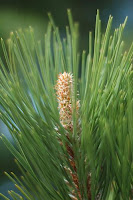
Pine Sprouts B.E.E. - contains an essential oil that can stimulate serous bronchial gland function, suppress mucous gland function, and aid with expectoration (hawking up of phlegm). Pine sprouts can also help to dry secretions. They demonstrate mild antiseptic effects. They are also useful for upper and lower respiratory tract mucous membrane inflammation, common cold symptoms, coughs or bronchitis, nasal congestion, hoarseness, fever, and people who have a tendency towards infection.
CoQ10 - in addition to benefiting immune function, CoQ10 is also a powerful free radicals cleaner, and has the ability to counter histamine, which is involved in both allergies and asthma.
Flax Seed B.E.E. - is high in essential fatty acids, such as alpha-linolenic acid, linoleic and oleic acids. These essential fatty acids are needed for the production of anti-inflammatory prostaglandines. Linoleic acid and alpha-linoleic acid are also required for the structural integrity of all cell membranes, which is very important for maintaining the normal physiological function of cell. A great many anaphylactic diseases, such as Asthma, Allergic Pallenasis, and Allergic Nasitis are closely related to the change of the structural integrity and permeability of cell membranes of mastocyte (a type of cell).
Pine Bark B.E.E. - contains phytochemicals known scientifically as Oligomeric Proanthocyanidin complexes (OPCs) that appear to stabilize the walls of blood vessels, reduce inflammation, and have anti-allergic qualities. These activities occur on the basis of OPC's antioxidant activity, for free radicals can immediately stir up inflammations. In addition to allergen activation, allergies and asthma, both involve histamine release. In the United States, allergies are often treated with anti-histamine. Pine Bark B.E.E. acts to prevent histamine release in the first place, thereby reducing all adverse effects of histamine and not just interfering with their effects on target cells. It is suggested that OPC's are a better approach to allergy and asthma management than anti-histamine.
RESPIROLis available by text or calling 0997-430-6358(TM)


 Shake out your hands periodically throughout the day.


 Excess mucus (runny nose), coughing, sneezing, nasal congestion, headache, sore throat, muscle aches, and tiredness, are all symptoms of the common cold. A viral infection of the upper respiratory system, the common cold can be caused by one of over 200 different viruses.